
Why Education Is the North & East’s Path to Recovery
Thirty years of armed conflict did more than destroy roads and buildings in Sri Lanka’s Northern and Eastern provinces. It ruptured the social fabric of an entire generation, disrupted schooling, shattered institutions, and pushed families toward survival rather than aspiration. Today, as the region rebuilds, one truth has become clear: education is not just part of the recovery. It is the recovery.
The Weight of History
The North and East carry deep structural scars. Infrastructure remains fragile, provincial governance collapsed in the post-war years, and a widening seniority gap in universities has left institutions struggling to lead regional renewal. The University of Jaffna, founded in 1974, and the University of Vavuniya, elevated to national university status only in 2021, are the region’s principal seats of higher learning, yet both operate under severe capacity constraints. Jaffna’s QS Asia ranking slid from the 351–400 band to 711–720 between 2022 and 2026, a stark signal of institutional strain.
The Unemployment Paradox
Here is the region’s cruellest paradox: young people study hard, earn degrees and then cannot find work. An estimated 54–70% of graduates leave university without securing employment, even as the North and East contribute less than 10% of national GDP (the Northern and Eastern provinces’ share stood at just 4.4% in 2024).
Why? Sri Lanka’s state universities inherited a colonial “administrative reproduction” model that steers graduates toward government jobs rather than enterprise. Curricula remain theoretical. Lecture-and-exam pedagogy leaves little room for practical application. And families scarred by instability actively encourage children to seek public-sector posts or emigrate rather than start businesses. With roughly 90% of Northern Province businesses being SMEs at an “embryonic” stage, the private sector cannot absorb the talent being produced.
Education as Empowerment for the Marginalised
The stakes are highest for those the war hit hardest. Between 27,000 and 60,000 conflict-widowed women depend on informal, small-scale businesses to survive, yet remain the least supported. Disabled communities and diaspora returnees face similar exclusion from finance, from mentorship, and even from family encouragement. In many households, parents are more willing to send a daughter abroad for marriage than to back her in starting a business.
Relevant, practical education paired with incubation, seed funding, and mentorship directly challenges these patterns. It gives widows, young women, and disabled entrepreneurs the skills, confidence, and networks to turn informal livelihoods into real enterprises.
The NURTURE Vision: Educating for Enterprise
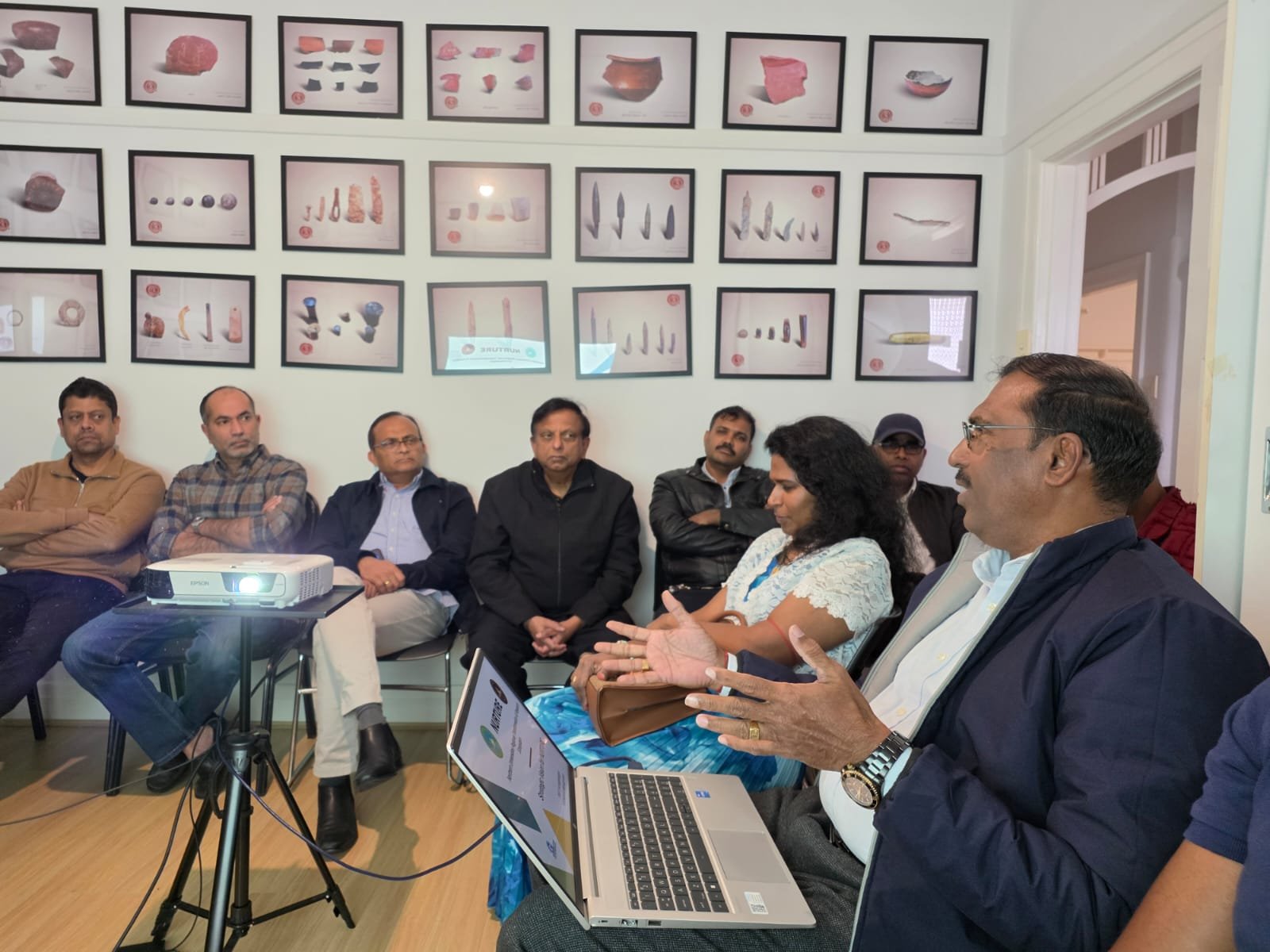
This is the thinking behind NURTURE, the Northern Universities Regional Transformation & Research Ecosystem, a partnership between The Gate Institute, the University of Jaffna, and the University of Vavuniya. Its premise is simple but ambitious: universities must become engines of enterprise, innovation, and inclusive economic development, not just degree factories.
The programme works through four connected components:
- University Innovation & Enterprise Centres (UIECs): knowledge and coordination hubs offering incubation, mentoring, co-working space, and venture support on each campus.
- A Youth Enterprise Pathway equipping students and young entrepreneurs with technical, entrepreneurial, and professional skills that boost employability.
- Sector-Focused Innovation & Industry Linkage: connecting universities with SMEs through applied research, internships, and knowledge transfer.
- Shared-Risk Incubation & Seed Funding: competitive grants that let student and faculty start-ups prototype and scale.
It addresses root causes at three levels simultaneously: curricular (practical, market-aligned teaching), cultural (shifting family attitudes toward entrepreneurship), and organisational (incentivising faculty to engage with industry, not just publish).
Why It Matters Beyond the Region
When education creates opportunity at home, young people stay. Brain drain slows. Tax bases grow. Widows and war survivors build independence instead of dependence, and a region once defined by conflict becomes defined by innovation.
The North and East don’t just need educated graduates; they need graduates who can build. With the right blend of mindset, knowledge, and financial incentives, the region’s universities can transform its greatest vulnerability, a lost generation’s untapped potential, into its greatest asset.