Karukkaimunnai (often transliterated as Kakkamunai) is a small coastal village situated along the Bay of Bengal coast within the Trincomalee District of Eastern Province, Sri Lanka. Like many rural, coastal communities in northern Trincomalee, its local economy is traditionally rooted in subsistence living, small-scale fishing, and agricultural activity.
Key Natural Resources & Employment Opportunities
- Palmyra Palm (Borassus flabellifer) Opportunities
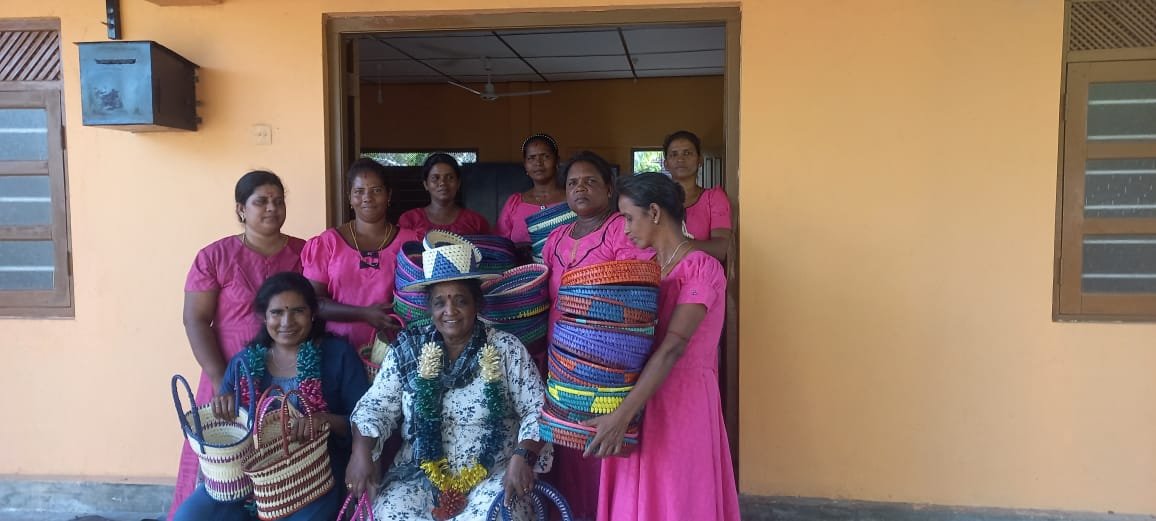
- Fibre and Craft Processing: Palmyra fibres can be harvested to produce heavy-duty brush bristles, ropes, and woven handicrafts, creating home-based craft manufacturing jobs for local women and youth.
- Palmyra Food & Beverage Value Addition: Processing raw palmyra sap (neera) into palm sugar (jaggery), bottled syrup, or refined treacle creates agri-processing employment. Processing root tubers into dry flour (Odiyal) also provides long-shelf-life product opportunities.
- Marine and Coastal Fisheries
- Artisanal & Inshore Fishing: The village’s coastal location provides access to shallow-water marine species, crabs, and prawn stocks.
- Dry Fish & Seafood Processing: Sun-drying, salting, and hygienic packaging of small fish species allow local workers to capture higher profit margins compared to selling fresh catch at raw gate prices.
- Small-scale Aquaculture: Utilising coastal inlets or brackish waters for mud crab fattening or sea cucumber farming offers high-export-value employment with relatively low infrastructural barriers.
- Agriculture & Arable Land
- Dry-Zone Crop Farming: The regional soil supports drought-tolerant crops like groundnuts (peanuts), pulses (mung bean, black gram), sesame, and chilli pepper.
- Livestock & Dairy Development: Grazing areas support smallholder cattle and goat rearing. Establishing localised milk collection points or small curd production hubs helps stabilise daily household incomes.
- Value-Added Processing: Simple village-level processing facilities—such as oil-expelling units for sesame or processing plants for groundnut snacks—generate off-farm processing jobs.
- Coastal Eco-Tourism & Eco-Resource Potential
- Low-Impact Nature Tourism: Proximity to untouched coastal stretches, coastal lagoons, and wildlife corridors offers opportunities for local boat operators, bird-watching guides, and eco-lodge support staff.
Sustainable Development Focus
Unlocking these resources for sustainable employment requires targeted investment in village-level processing equipment (such as de-husking units or solar dehydrators), market linkages to urban distribution centres, and micro-enterprise training for local community cooperatives.
In Sri Lanka’s Northern and Eastern provinces, creating employment is not enough; the region needs employment that leads to sustainability: work that endures, grows, and anchors communities for the long term.
Why “Any Job” Isn’t Enough
After three decades of conflict, the temptation is to celebrate any form of employment as progress. Yet short-term, aid-driven, or dead-end jobs do little to heal structural damage. They keep families afloat but never let them build. Sustainable employment — work with income security, skill growth, and dignity — is what transforms survival into recovery.
The Northern and Eastern provinces contribute just 4.4% of national GDP (2024), and 54–70% of graduates leave university without work. With around 90% of Northern Province businesses being SMEs at an “embryonic” stage, the local economy is fragile: one shock a market shift, a loan default, a family emergency can collapse it.
The Bottom Line
The North and East don’t need temporary relief disguised as employment. They need work that grows, includes, and endures work rooted in skills, enterprise, and strong institutions. When on-the-job training become engines of innovation, and women-headed households become job creators rather than job seekers, employment stops being a stopgap and becomes the region’s foundation.
Reconstruction is not complete when the buildings are rebuilt. It is complete when a household creates income opportunities and can build a life and a livelihood.