The Structural Strategy
To ensure the project’s long-term independence, the initial issues are structurally funded to establish local traction. Once operational roots are set, the management stewardship will transition entirely to a localised committee, creating a self-sustaining regional model.
Why a Physical Newspaper Matters Today
In an era dominated by digital media, a high-quality, regional newspaper serves a critical community function. It provides a tangible, authoritative record for rural populations who may face digital access barriers, while giving local industrial initiatives a formal platform to document progress, share agricultural techniques, and advocate for sustainable trade policies.
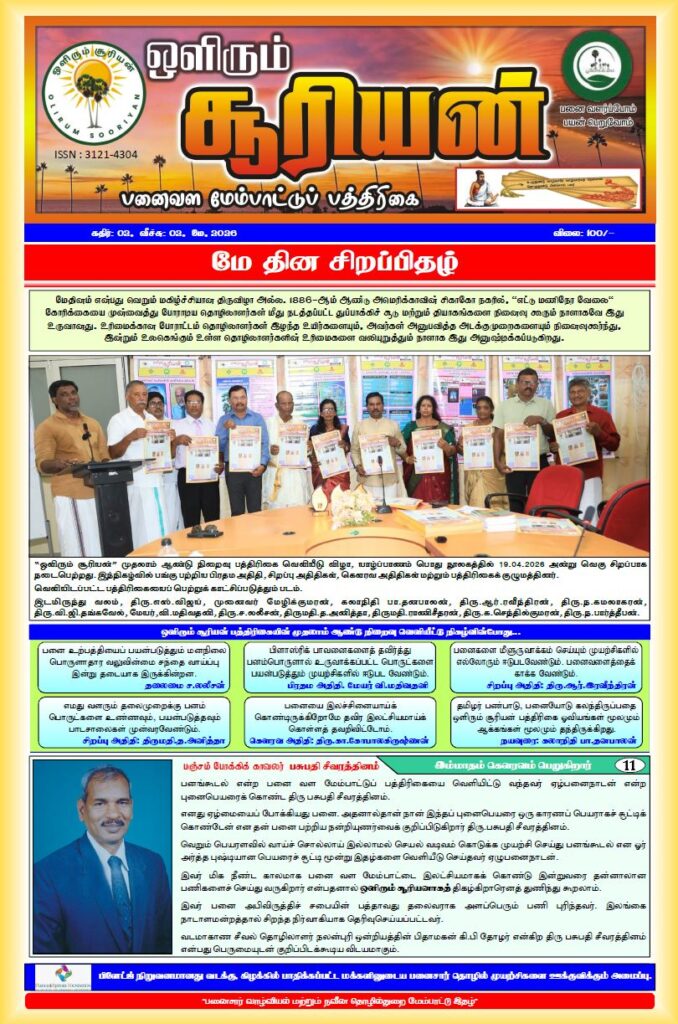
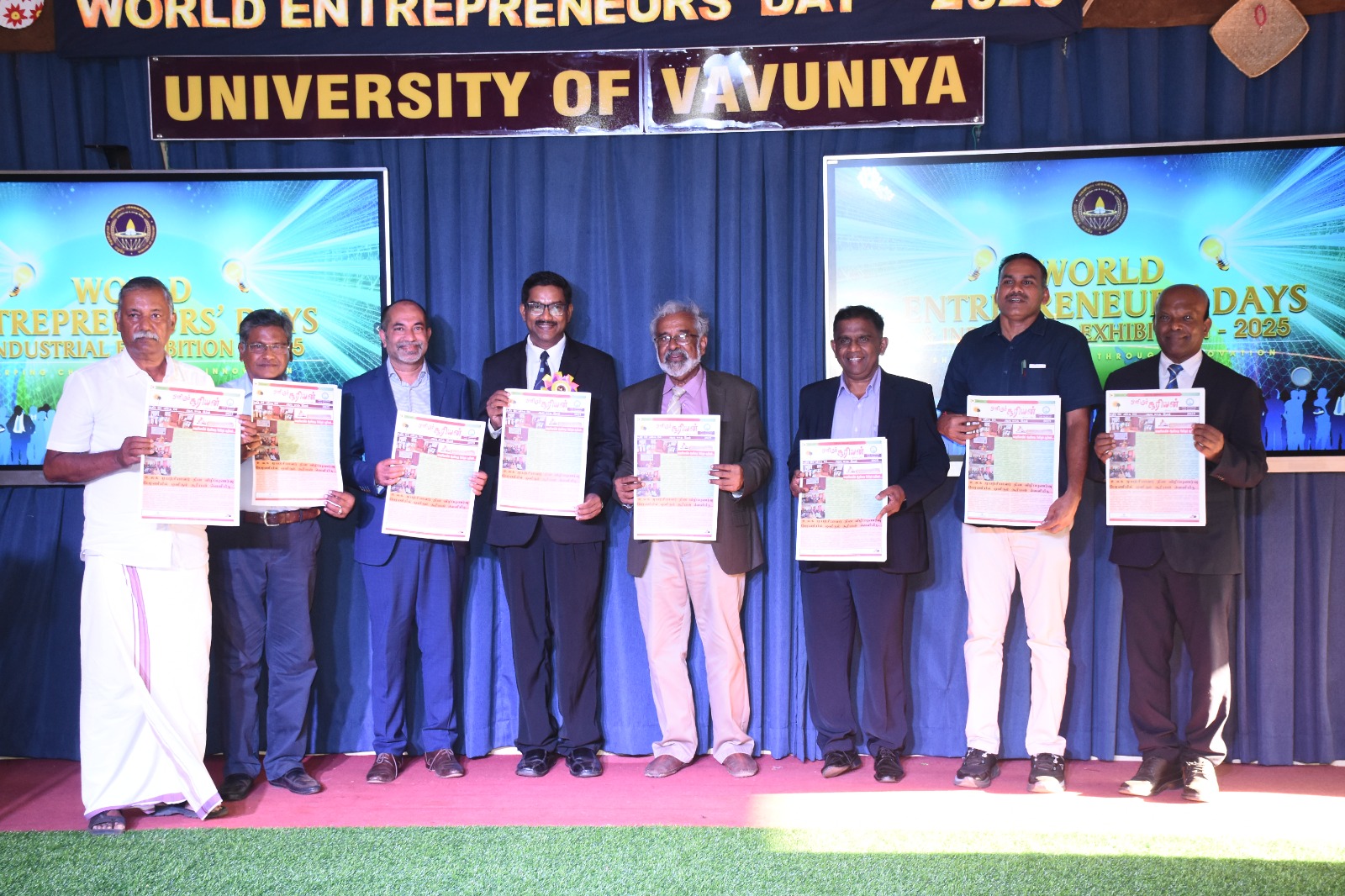
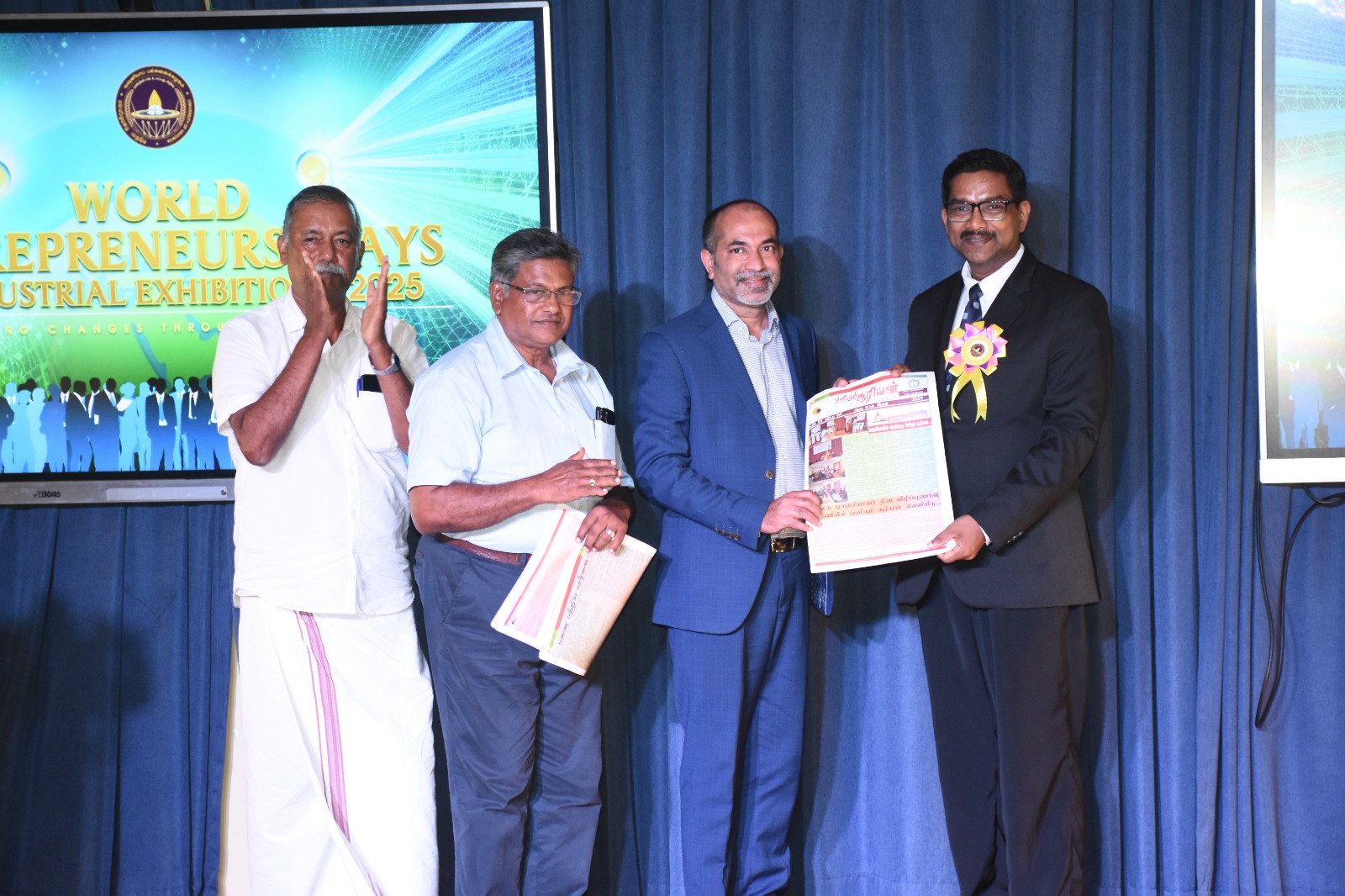
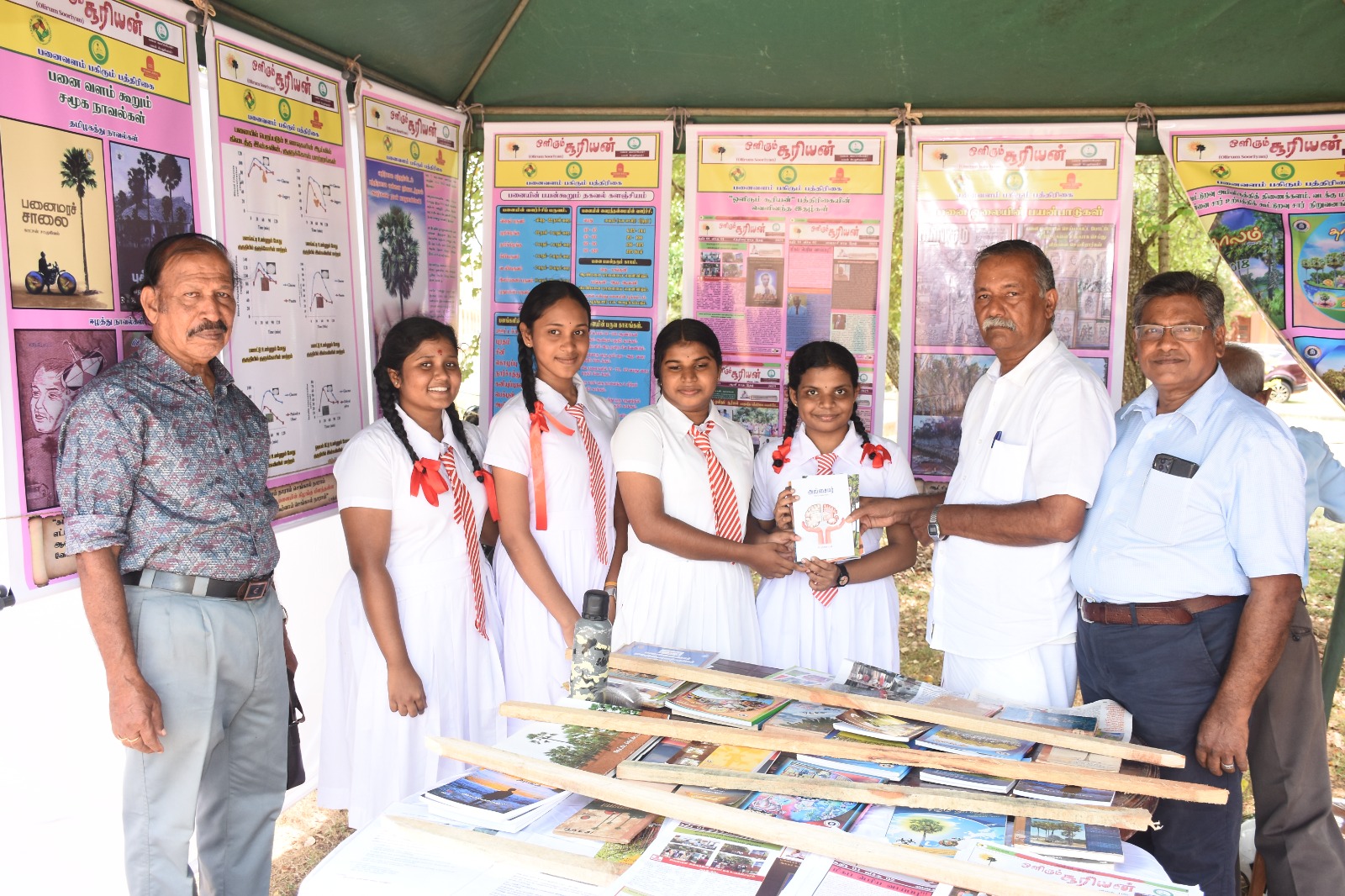
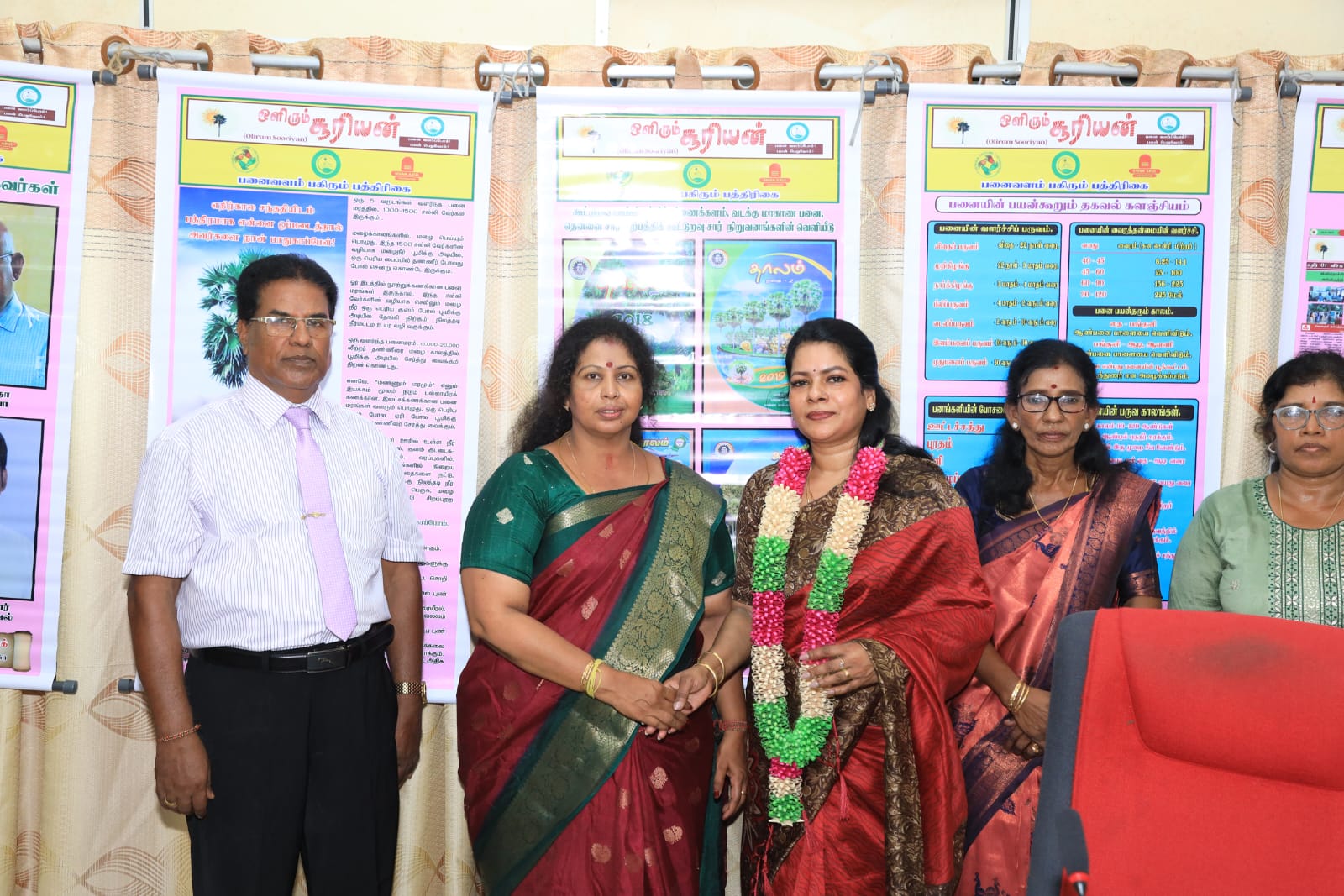
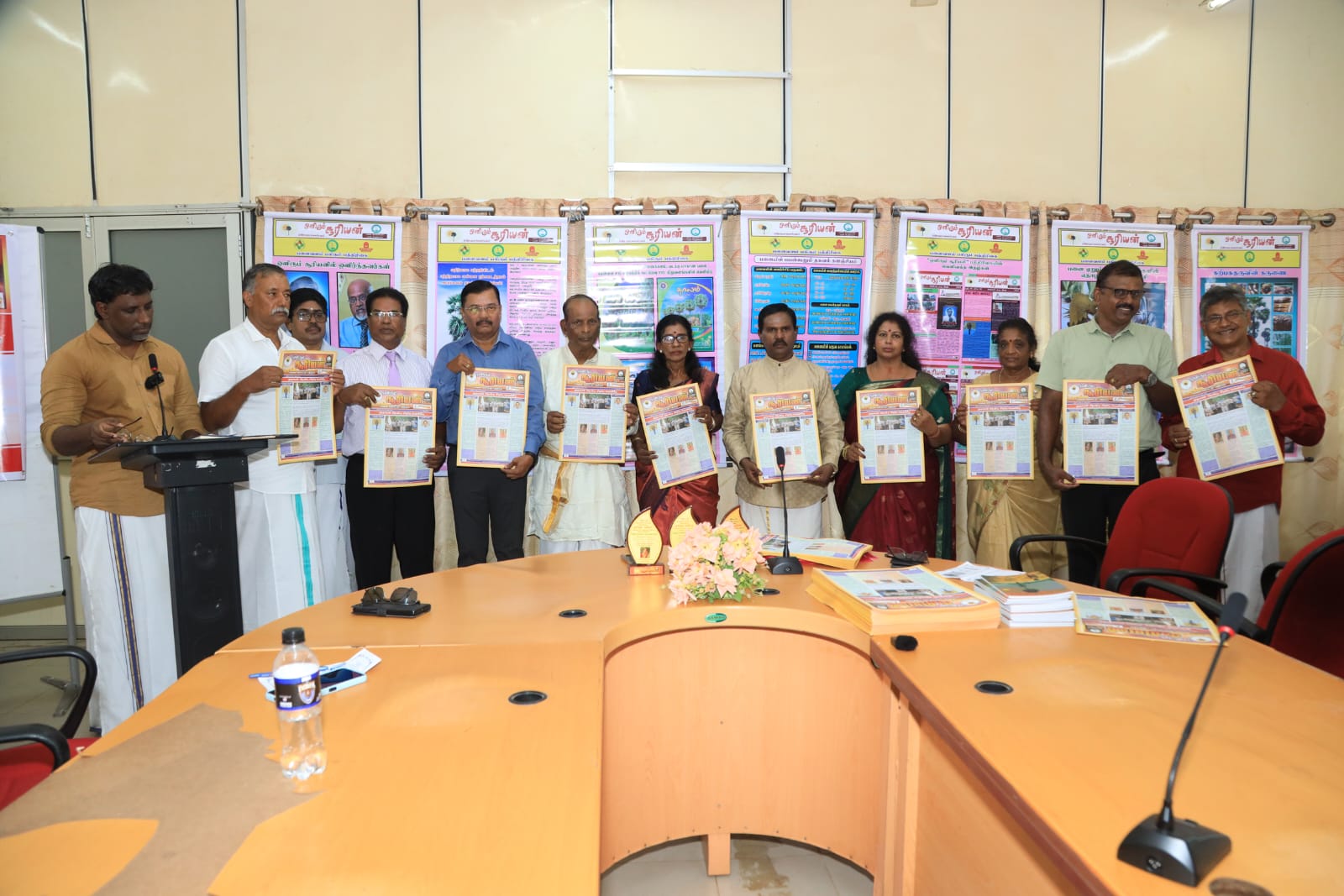
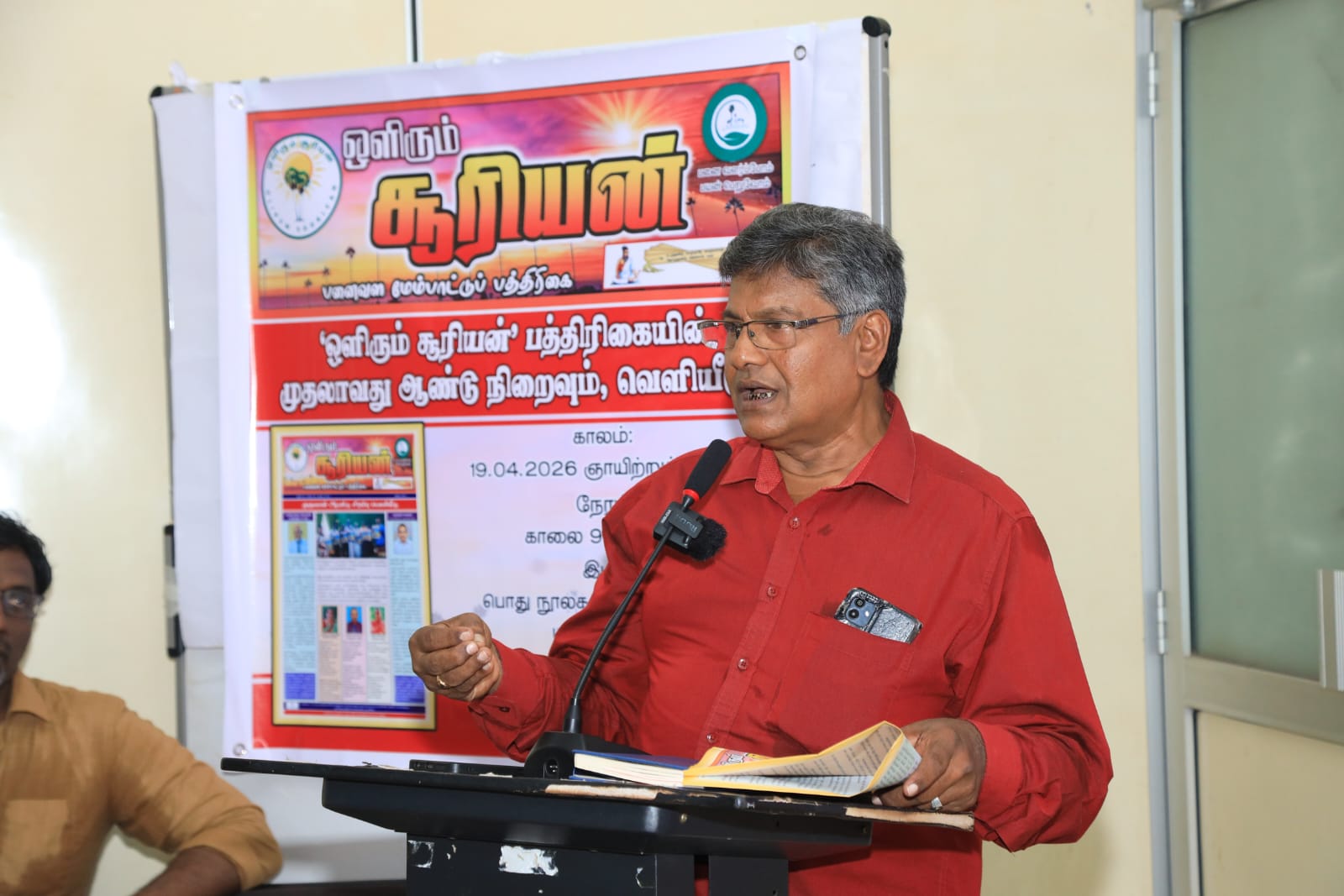
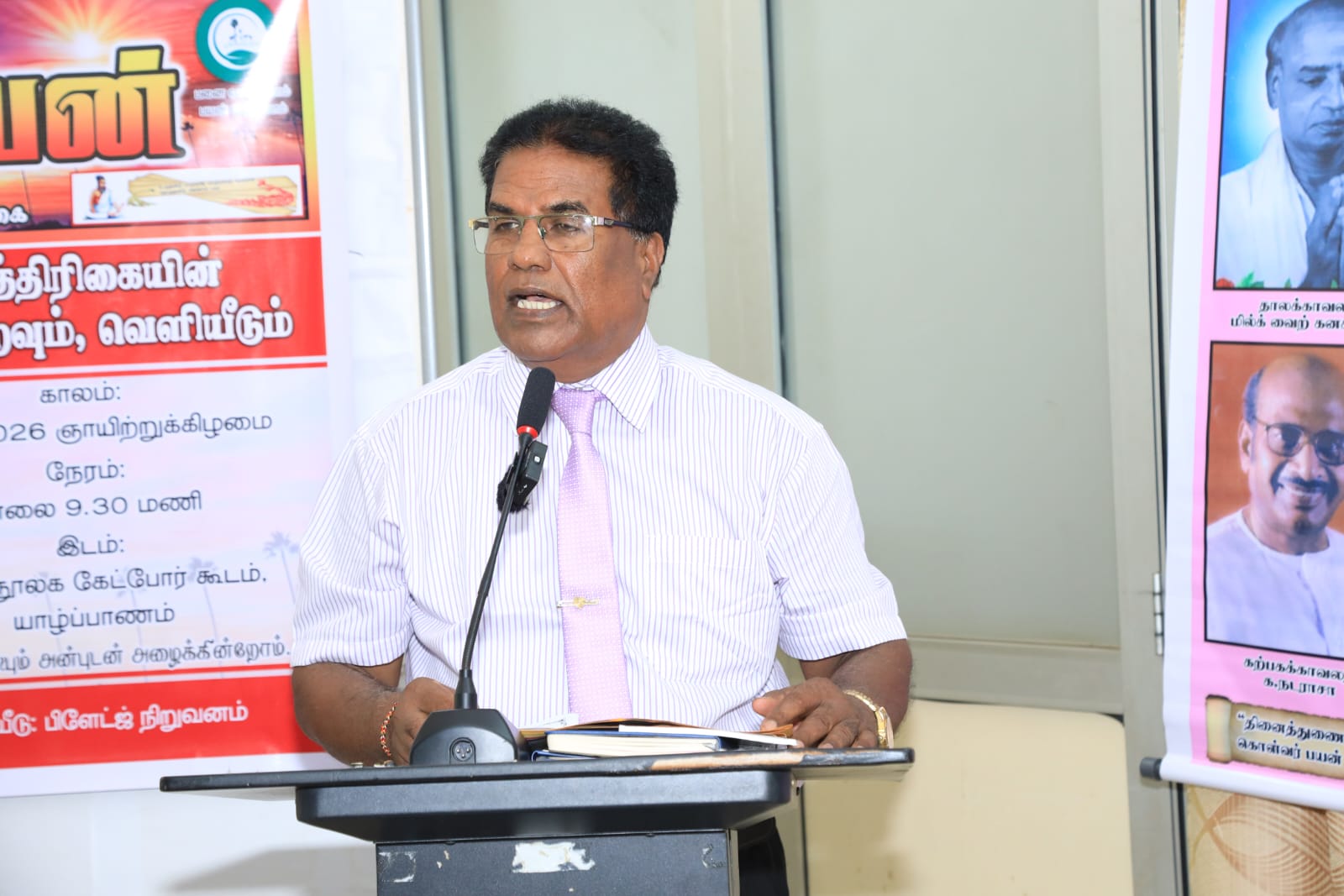
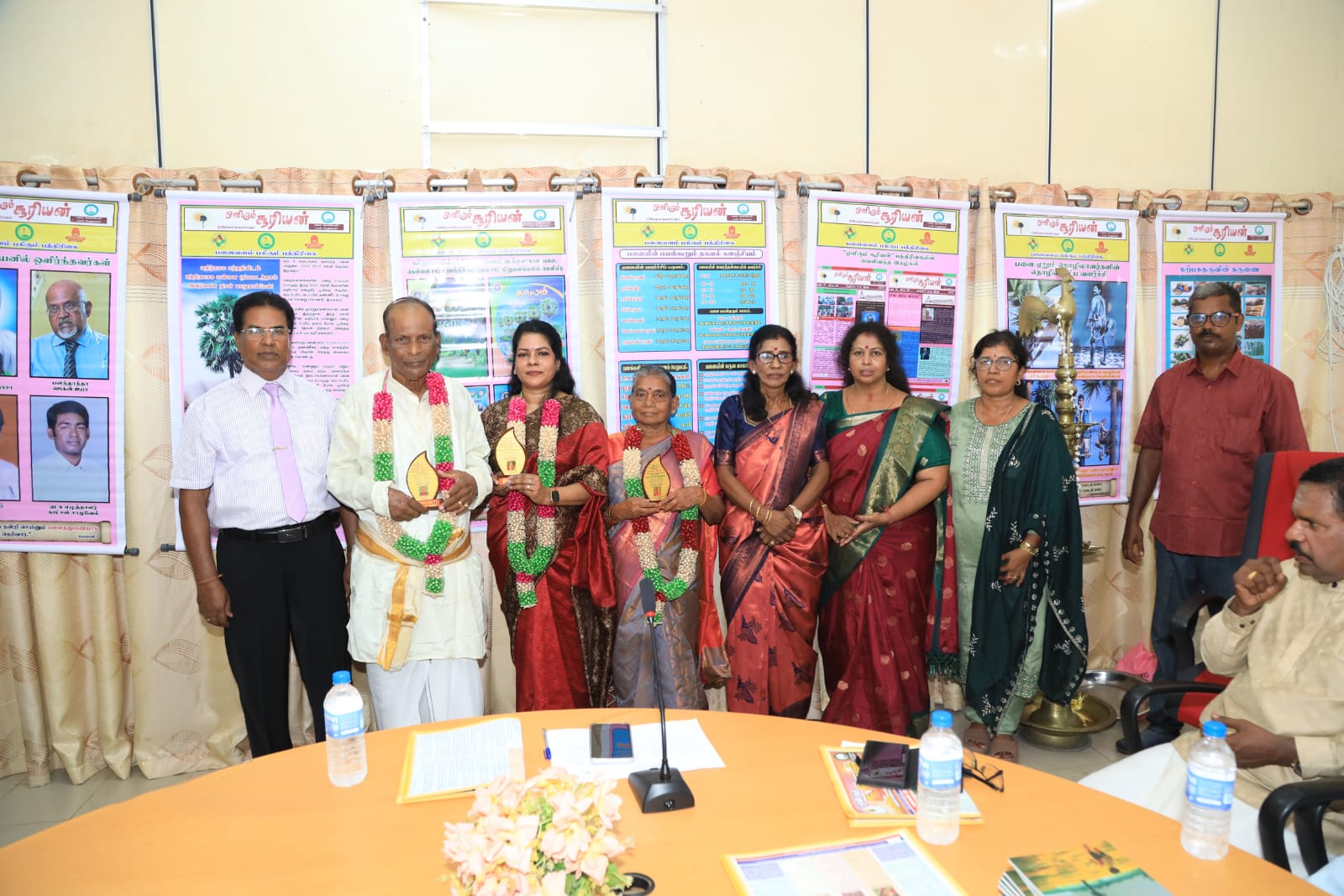
Monthly Newspaper on Palmyra Development
The monthly newspaper, in collaboration with the Palmyra Development Board (PDB), promotes the importance of Palmyra industry revival and sustainable development in the North and Eastern Provinces in Sri Lanka.
The newspaper will focus on:
- Creating public awareness about the vast economic opportunities in the Palmyra sector
- Highlighting eco-friendly Palmyra-based products such as food items, handicrafts, and other value-added goods
- Educating readers on the environmental benefits of Palmyra cultivation, including carbon sequestration, soil conservation, and climate resilience
This monthly publication will serve as a powerful platform to drive community awareness, encourage entrepreneurship, and support the long-term economic and environmental restoration of the regions through the Palmyra industry.
Objectives:
- Modernise value-added product manufacturing (jaggery, handicrafts, food products, fibre, timber).
- Demonstrate and promote the environmental benefits of large-scale Palmyra cultivation.
- Create green jobs, especially for women and youth.
- Position Palmyra as a key nature-based climate solution for the North and East of Sri Lanka.
Environmental Benefits (Core Focus)
- Carbon Sequestration: Palmyra palms are excellent carbon sinks. One mature tree can absorb 150–200 kg of CO₂ per year.
- Soil Conservation: Deep root systems prevent soil erosion and desertification in arid northern lands.
- Biodiversity Support: Creates habitat for birds and insects; supports agroforestry models.
- Water Conservation: Palmyra requires very little water compared to other crops, ideal for drought-prone areas.
- Climate Resilience: Highly resistant to cyclones, salinity, and extreme heat.
- Plastic Alternative: Palmyra leaf products can replace single-use plastics (plates, cups, packaging).
Key Project Components
- Mass Plantation Drive: Community-based planting with technical support.
- Value Addition & Processing Units: Modern hygienic units for jaggery, candy, fibre, and handicrafts.
- Research & Development: Collaboration with universities on improved varieties and products.
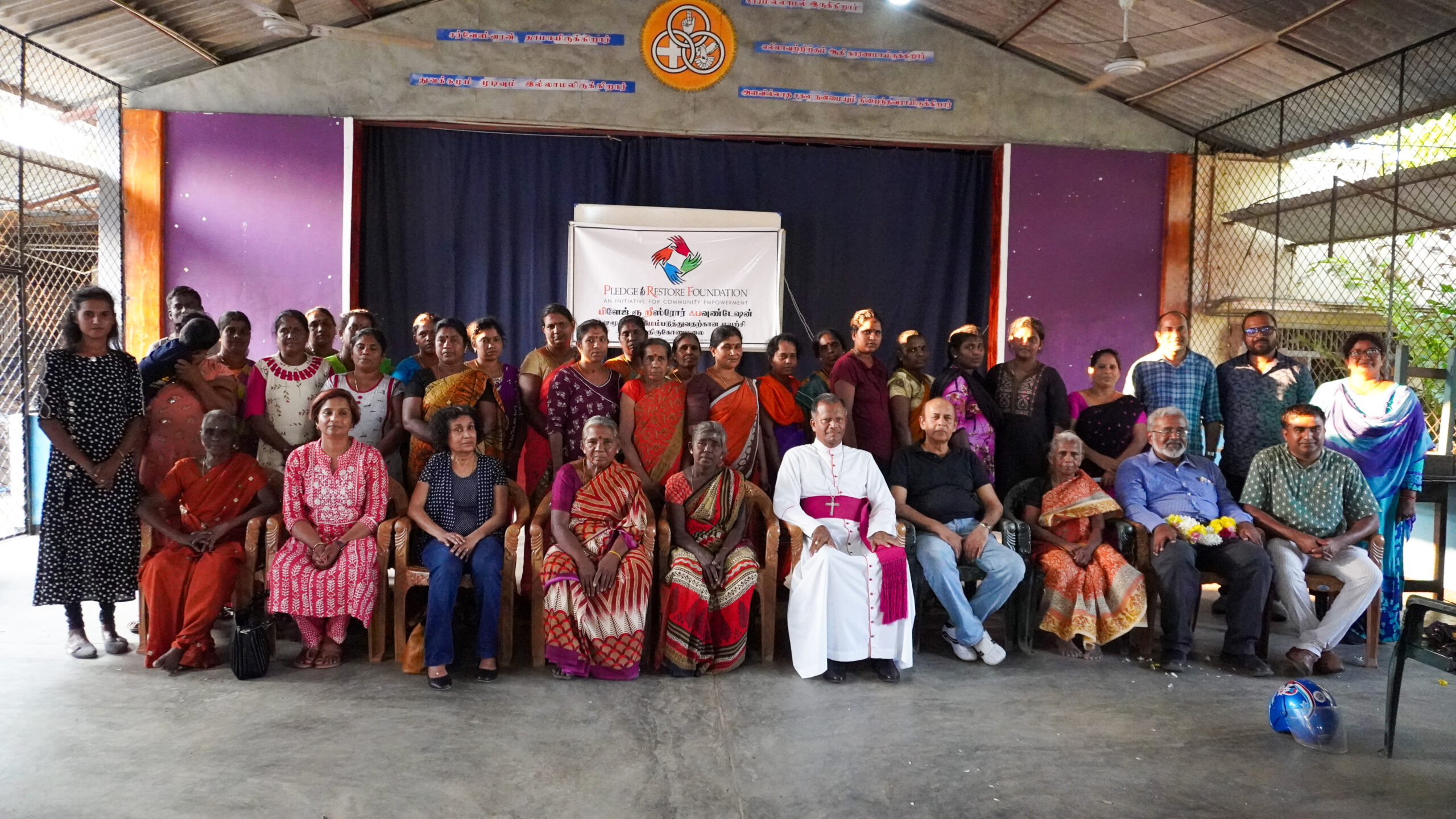
- Skill Development – Training youth and women in Palmyra-based enterprises.
- Green Branding & Marketing: “Eco-Palmyra” brand promoting environmental benefits.
- Policy Advocacy: Push for government incentives and protected status for Palmyra groves.
Conclusion
The revival of the Palmyra industry is not just an economic necessity; it is an environmental imperative for the North and East. By investing in Palmyra, we can restore degraded lands, fight climate change, reduce plastic pollution, and build a self-reliant green economy.
“One Palmyra tree planted today is an act of hope for future generations.”
We seek support from government agencies, international donors, CSR funds, Diaspora communities and environmental organisations to make this vision a reality.