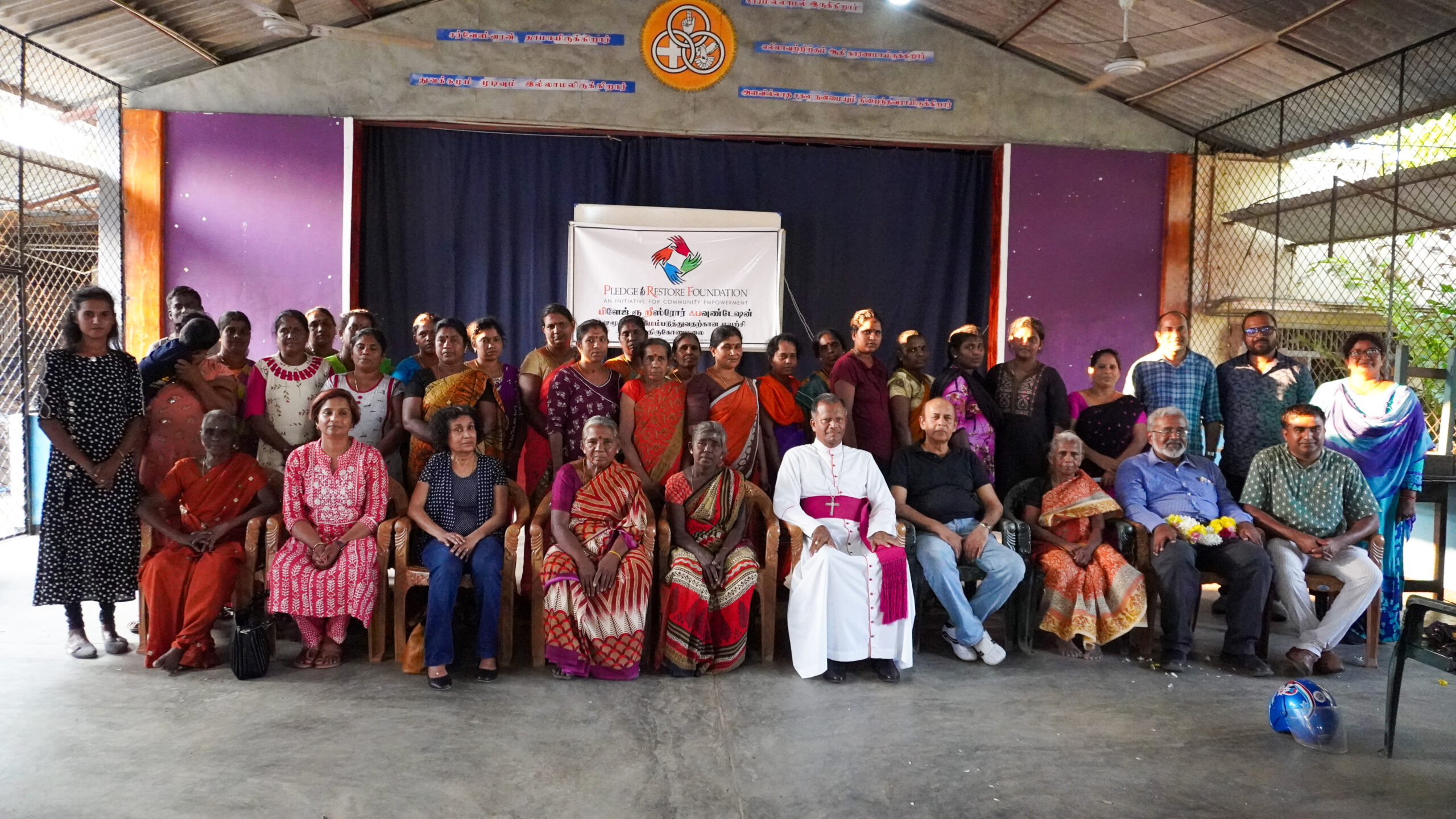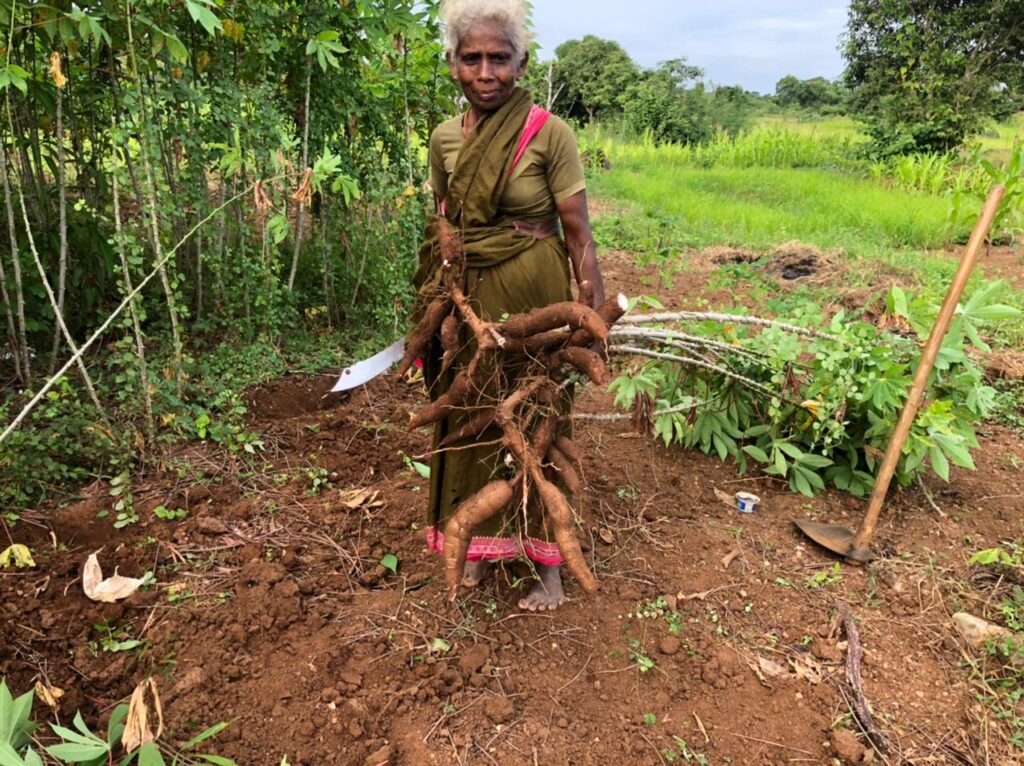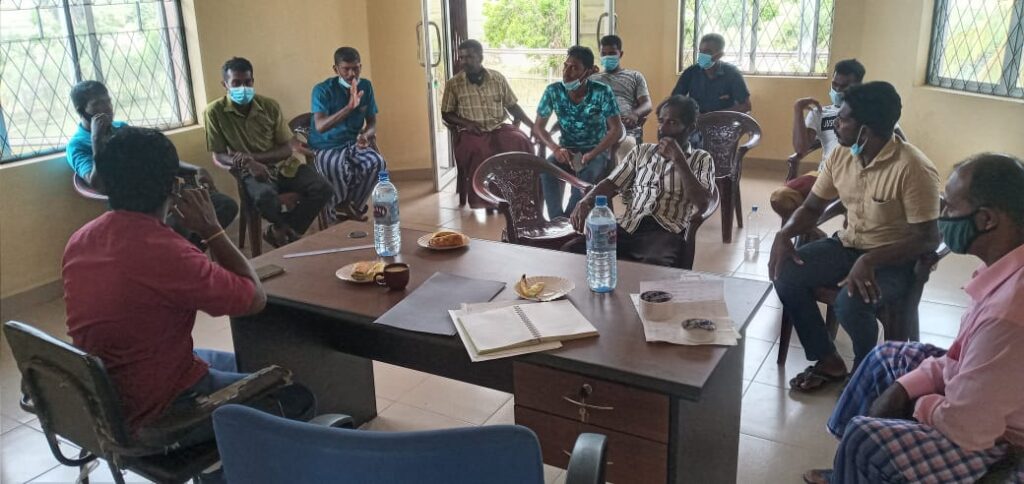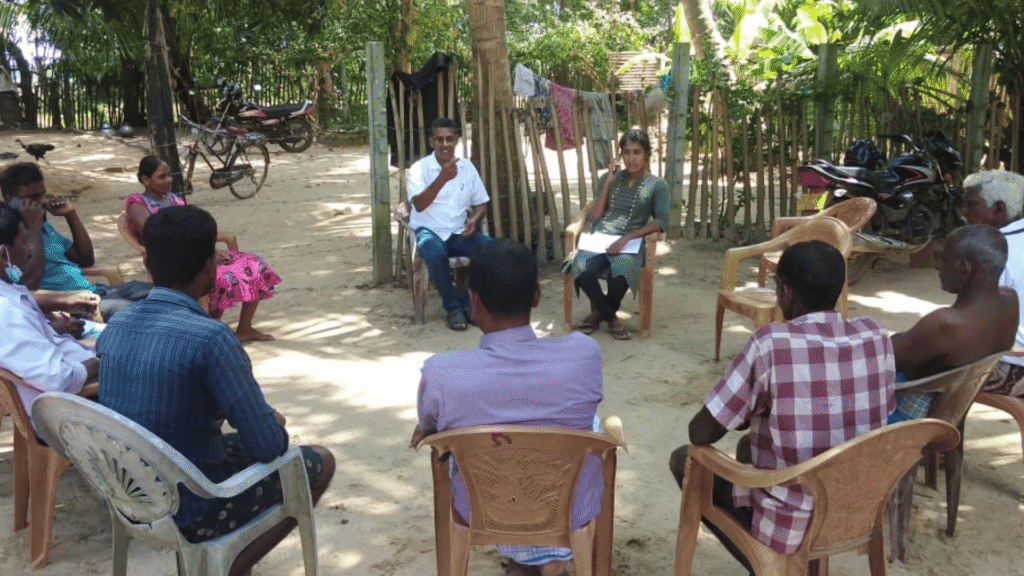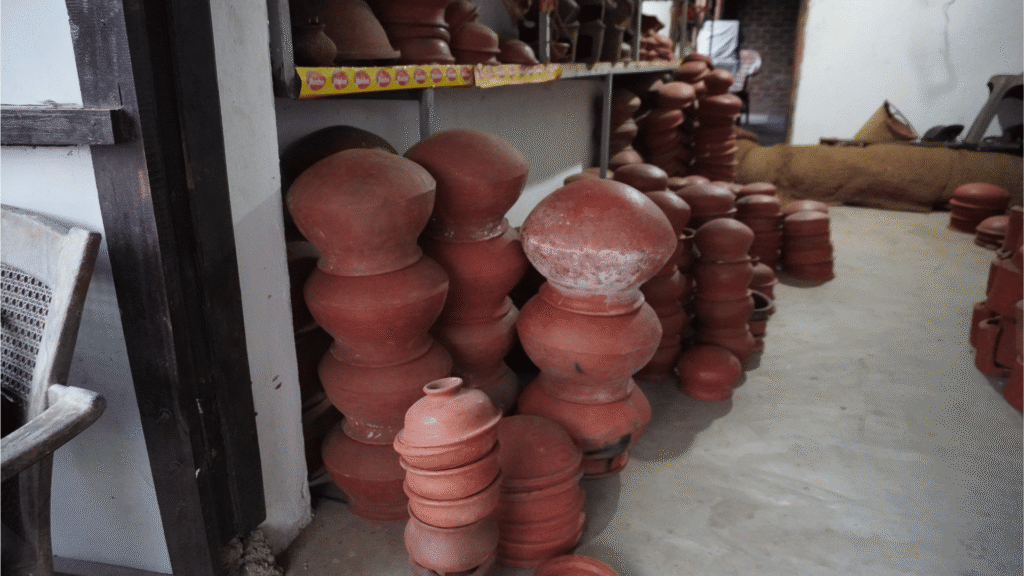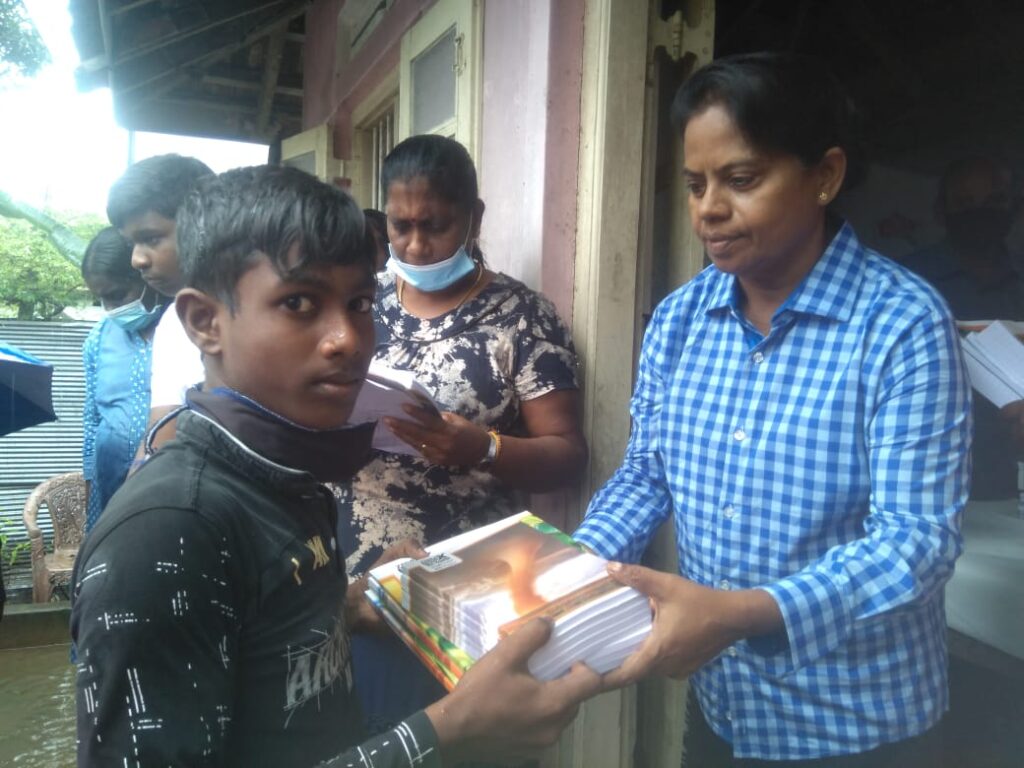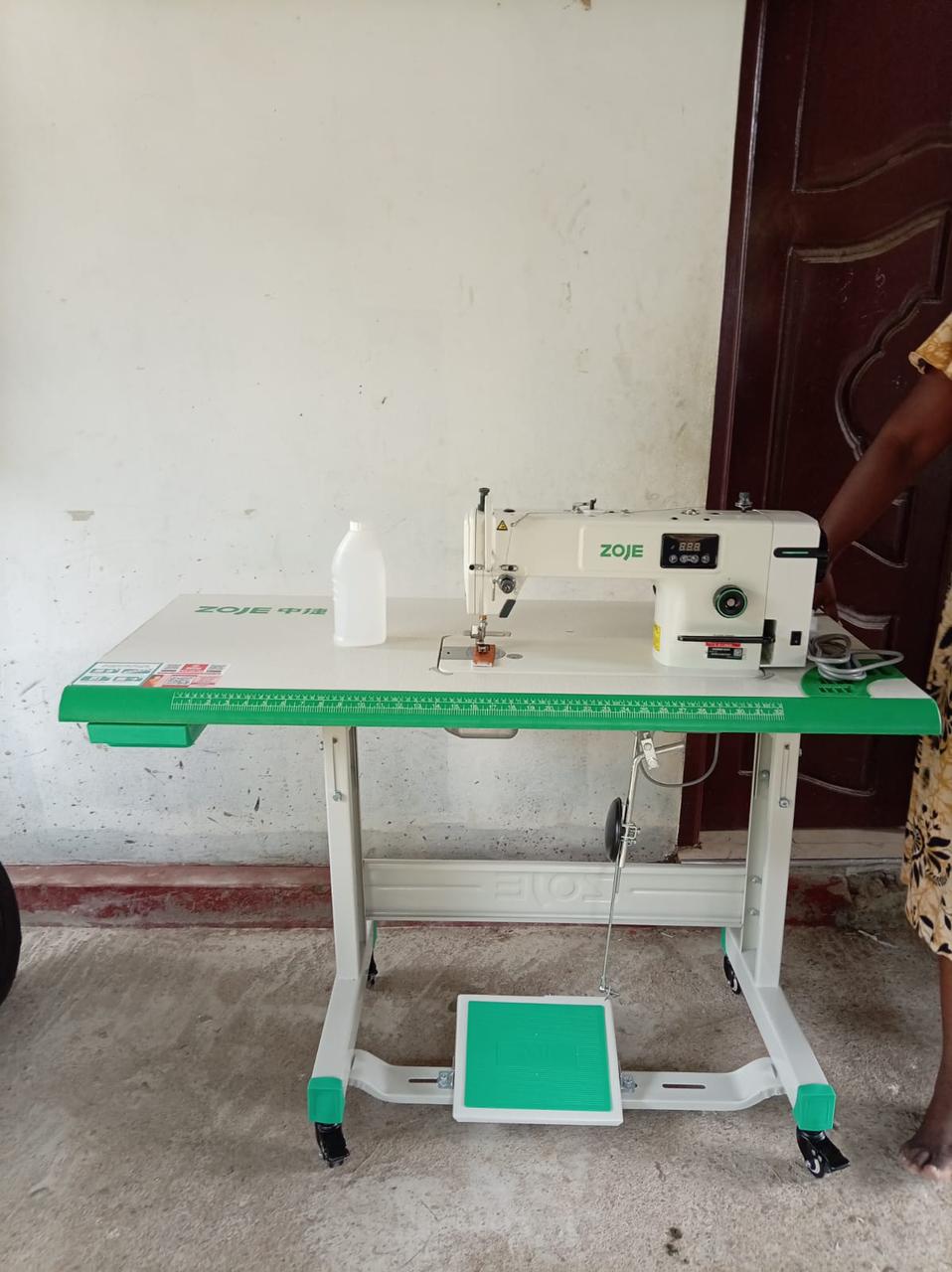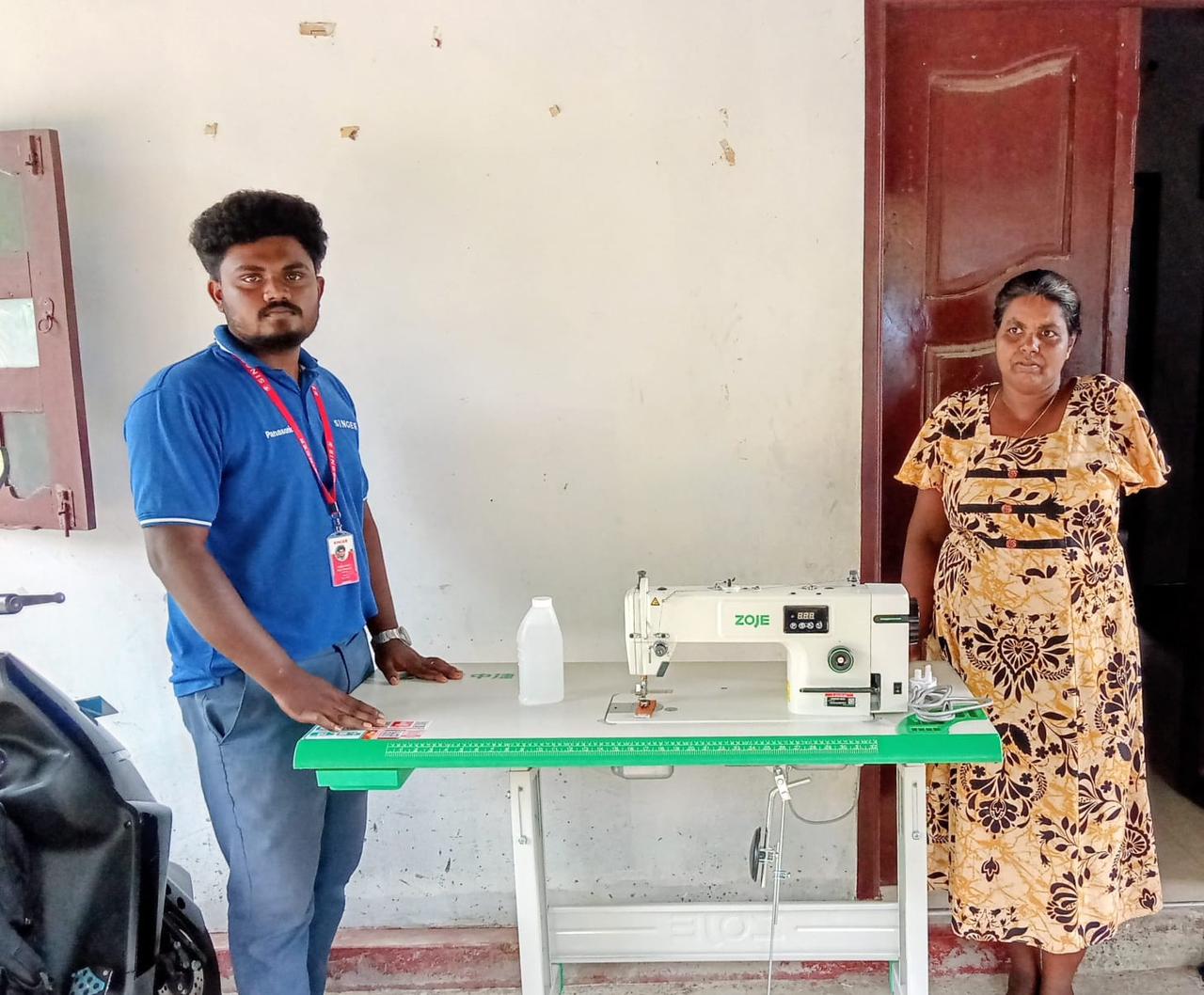
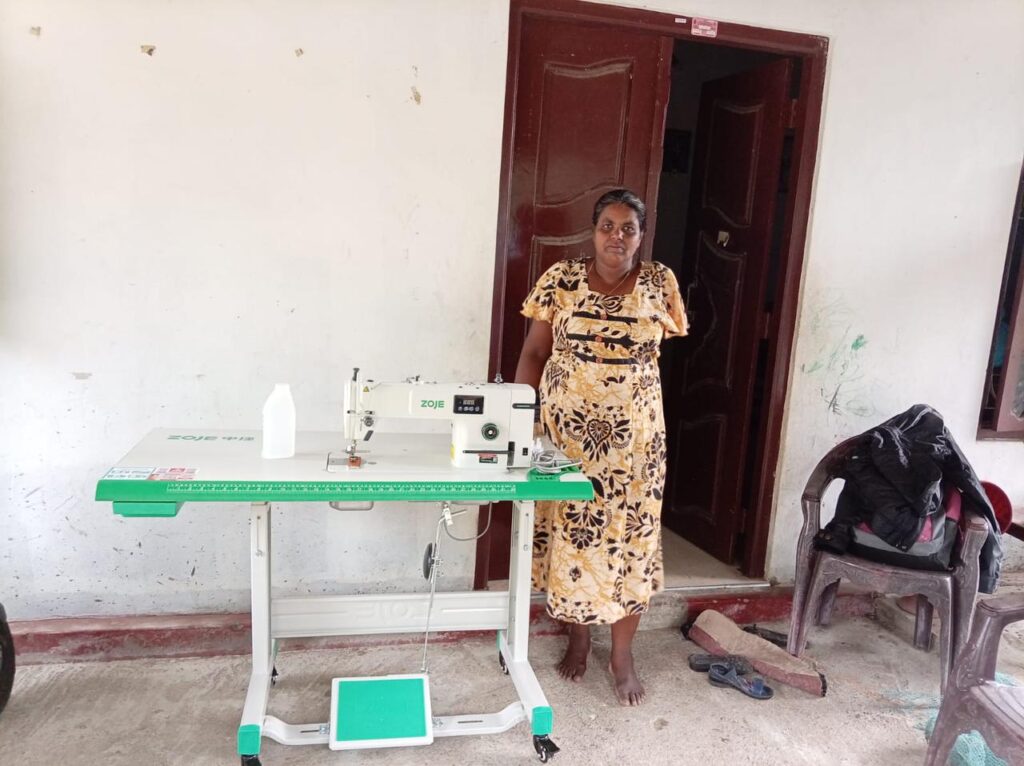
The creation of targeted employment opportunities for families with disability in Sri Lanka delivers substantial and measurable project benefits across economic, social, and human development dimensions. This initiative transforms households from dependency on limited welfare support into active contributors to family and national growth, generating sustainable value that extends well beyond individual income.
Economic Benefits
- Employment directly increases disposable income for Sri Lankan families supporting members with disabilities. This reduces reliance on government assistance and enables better access to nutrition, healthcare, and education, breaking intergenerational cycles of poverty common in both urban and rural areas.
- Employed individuals and their family members contribute taxes, stimulate consumer spending, and support small businesses. In Sri Lanka, where many households face economic pressure, this creates a positive ripple effect, boosting local markets, micro-enterprises, and overall GDP contribution from previously underutilised talent pools.
- By enabling self-sufficiency, the project lowers long-term government expenditure on social welfare, disability allowances, and institutional care, allowing reallocation of funds to other national development priorities.
The aim is to address Social and Inclusion Benefits:
- Providing meaningful work opportunities affirms the value and capabilities of people with disabilities and their families. This fosters greater self-esteem, social integration, and community participation, shifting societal perceptions from charity-based views to rights-based inclusion.
- When one or more household members gain stable employment, the entire family benefits through improved mental health, reduced caregiver stress, and better support structures. Children in these households often experience improved educational outcomes and role models for future independence.
- In Sri Lanka’s diverse context, inclusive employment promotes equity, reduces marginalisation, and supports reconciliation efforts by ensuring vulnerable groups, including those affected by conflict-related disabilities, are active participants in nation-building.
- Families achieve lasting financial independence, improved quality of life, and the ability to invest in future generations, delivering compounding returns for decades.
The project’s benefit realisation of creating employment for households in Sri Lanka, particularly those with disability, lies in its power to convert social challenges into economic strengths. It delivers not only immediate financial upliftment but also deeper societal transformation, fostering an inclusive nation where every family has the opportunity to thrive through dignified work. Successful implementation requires ongoing stakeholder collaboration, accessible training programs, and supportive policy frameworks to maximise these benefits.